
My PND story is a tricky one for me to write. In fact the further down the line I get from my experience, the harder it becomes to tell my story. Perhaps it’s because I can look back on myself and really feel the emotions and grieve the times when I wish I’d felt different.
But share, I want to. Because if we don’t talk, if we don’t open up, we leave others feeling lost.
First time Mum
My experience of postnatal or postpartum depression came, not with baby number 1, but when number two made his arrival. In fact, I was actually suffering from some mild antenatal depression when pregnant which was not too surprising as there is a family history on both sides of my family and I’d experienced some episodes and had treatment with antidepressants in the past.
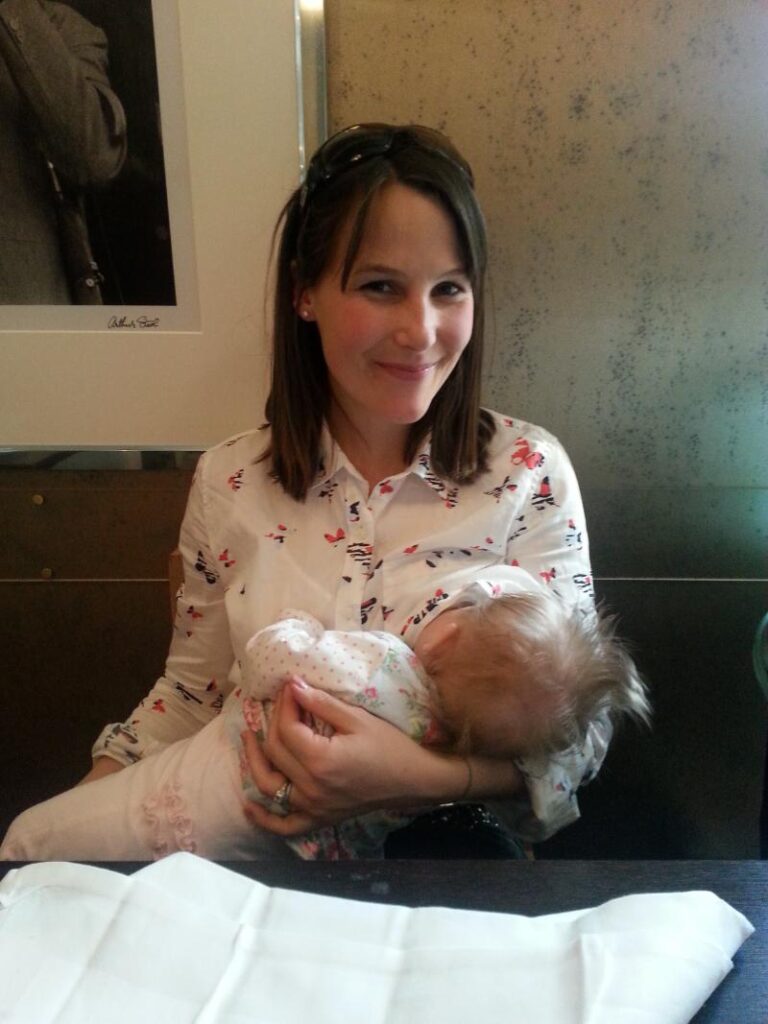
To set the scene, the first year with my first child was to all intents and purposes blissful – that doesn’t mean it wasn’t hard work or that I didn’t have sad days – but overall it was everything I wanted it to be. I loved caring for her and probably, most importantly, I found the most amazing group of women to share it all with. In fact these were the women who got me through those hard times 3 years later.
Baby Boy Arrives
I probably didn’t have the best start to my journey the second time round. Life happened and on the day of my 12 week scan my husband got made redundant and I ended up in A&E with crippling stomach pains that lasted for months. And all whilst we were in the middle of a house renovation! By the time Jesse arrived, however, things had calmed down and the husband had a new job.
Things were tricky at first due to a very severe tongue tie which made every feed agonising. In fact my lovely friend and IBCLC said she’d never seen someone in quite as much pain during a feed. I actually resorted to scratching myself whilst feeding to distract my brain. But I wouldn’t say I felt ‘low’ or ‘depressed’. The feeding issues persisted but slowly improved with two corrections, some visits to the osteopath, and a lot of research into high palates and other structural stuff. Although we also began to realise Jesse was probably allergic to something I was eating so we started on that journey too.
I was probably riding on an adrenaline surge for the 3 months after he was born. I even made a 4 tier birthday cake for my daughter’s 3rd birthday and hosted a huge party when Jesse was just 8 weeks old. I was winning – ish.
Realising it was PND and Treatment
It was in January that I realised I wasn’t right and that I might be experiencing PND. I can’t remember when it started but I have vague recollections of ending up on the bathroom floor, simply sobbing, wishing for it all to end, feeling so completely useless and worthless. And then feeling the guilt of being so self indulgent. Of course it wasn’t like this 24 hours a day – mental health isn’t all or nothing. You don’t have to feel sad all the time to be depressed. But I was missing the moments of ‘joy’.
A private referral to a psychiatrist confirmed that I was suffering from PND, exacerbated by sleep deprivation. She told me I needed to prioritise rest and sleep whenever I was able to. This is the reason why I so strongly recommend new parents sleeping whenever their baby is asleep, despite the predicted pushback that it gets (Read my post about supporting postnatal energy here).
I could take antidepressants but I’d have to time feeds carefully. I wanted to try cognitive behavioural therapy (CBT) first as I’d found it helpful in the past. The sleep was a game changer – it’s like I had permission, once again, to rest and that made it ok! The CBT was also very effective.
In the coming months there was another big family life change that we had to adapt to and I ended up in hospital having emergency surgery to remove my appendix. My daughter decided she no longer wanted to wear nappies but just couldn’t quite bring herself to stop playing to use the toilet (we kept Primark in business buying knickers!). And my husband was working for a team who didn’t really understand or care about personal or family life. Looking back it was full on!
Without those women who I had met only 3 years earlier, I’m not sure how things would have played out. They looked after me, helped me with the children and were there when I needed them. Not everyone knew what was going on – there’s no sign that you wear around your neck and you get pretty good and hiding things in public.
A year later when my son was 17 months old I agreed to start medication. I’d got so far with the CBT, sleep and other tweaks to my lifestyle but I felt I’d hit a wall. The medication shifted things – and I clearly remember the day I actually felt a wave of positive emotion roll over me as I watched my two babies in front of me – and to this day I still take it. I toy with the idea of stopping at some point but a very wise GP once said to me ‘if you were a diabetic would you try and stop taking your insulin when you know you need it and it helps’? Of course I wouldn’t so why do we feel so different about mental health?
I know why. It’s because it can’t be measured. I need to be able to ‘prove’ my weakness to someone. I need them to believe I’m not making it up. ‘I’ need to believe that I’m not making it up. And I guess this is one of the underlying issues with the way my brain works! As Taylor says ‘I’m the problem, it’s me!’
Life after PND
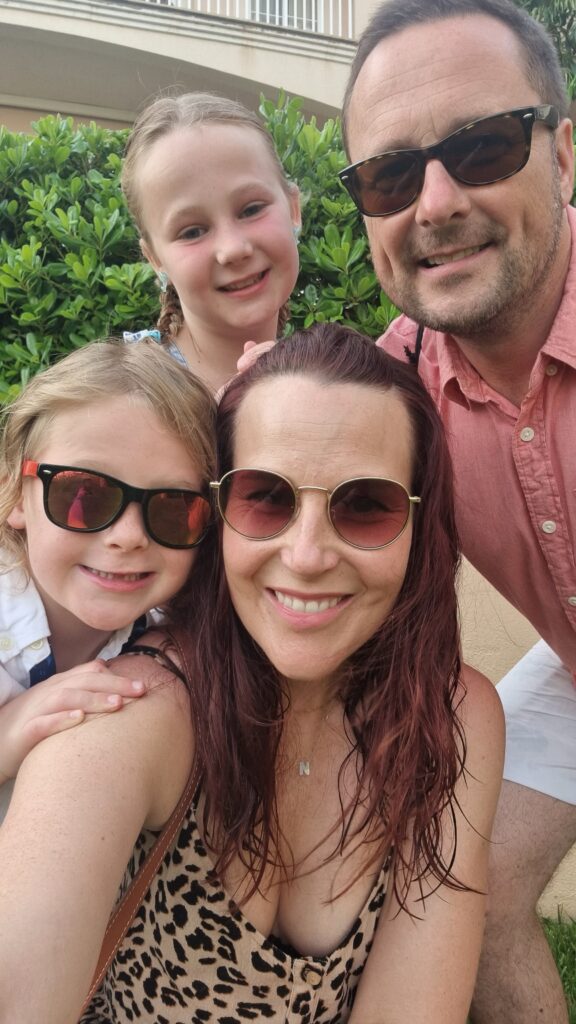
I still have good weeks, not so good weeks and awful weeks but I’m better at taking care of myself and it’s just all part of life! I know that I need to move my body, get outside and eat the right foods to keep my mind happy. When I don’t it’s really hard to get back into the swing of things but I know the improvement will be almost instant.
My reason why
All of this is so hard if you don’t open up to people. If you think that no one truly cares. And I think this is a huge part of why what I do is so important to me. I want people to know there is an expert that can help them professionally by investigating the problem, someone who can help them understand what’s going on in their (or their baby’s) body and then suggest solutions, BUT I also want them to know that there is a community out there that cares. It’s why, when I ask a new parent how they are getting on, you’ll always hear me say “but what about you? How are you?”.
Modern life is hard, it’s complicated and we’re not really designed all that well for it. We’re not failing, we’re just not supposed to be doing life this way!
I’ll be running Nourish You: The Postnatal Nutrition Plan at the end of May. It’s a gentle way to support your recovery from pregnancy, birth and those early weeks and months as well as giving you the chance to join a community of women sharing your experiences at the same time. For more information sign up to the waitlist.
Maternal mental health week runs from Monday 29th April – Sunday 5th May 2024.
You can find out more information here
For support you can contact the following organisations: