

For years, we’ve been led to believe that animal fat is the enemy of good health, but recent research is turning that on it’s head. In fact seed oils are now under fire. Fat doesn’t just taste good—it’s actually essential for functions like vitamin absorption, hormone production, immune health, and even weight management. The key lies in choosing the right types of fats and using them wisely.
Here’s a closer look at the types of fats, why they’re important, and how to include them for optimal health.
Saturated Fats: Are They Really That Bad?
Saturated fats have long been labelled as unhealthy, but there’s more to the story. These fats are found in animal products like butter and red meat, as well as plant-based options like coconut oil. While we’re often told that saturated fats raise cholesterol and harm heart health, recent studies suggest that dietary saturated fats alone may not increase cholesterol as dramatically as once believed.
The real dietary culprit in heart disease appears to be trans fats—harmful, processed fats often found in hydrogenated oils and processed foods. Trans fats can damage cell membranes and are linked to an increase in ‘bad’ cholesterol (LDL) and a decrease in ‘good’ cholesterol (HDL).
In moderation, saturated fats can be part of a balanced diet. Focus on quality sources like grass-fed butter, coconut oil, and lean meats, and avoid ultra processed foods (UPF) high in unhealthy trans fats, sugars and other additives.
It’s interesting to note that since the UK and US Governments started the push towards low fat diets (and a promotion of seed oils) in the late 1970’s / early 1980’s our health hasn’t really improved!
Monounsaturated Fats: The Heart-Healthy Choice
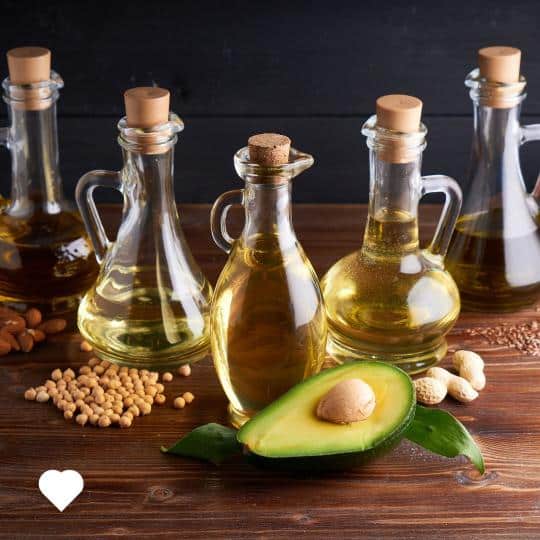
Monounsaturated fats are often associated with the heart-healthy Mediterranean diet, which is high in foods like olive oil, nuts, and avocados. Studies have shown that populations with high intakes of monounsaturated fats, such as those in Greece and Italy, have lower rates of heart disease. These fats help improve cholesterol balance by promoting higher levels of HDL (‘good’ cholesterol) and lower levels of LDL (‘bad’ cholesterol).
Polyunsaturated Fats: The Essential Omega-3s and Omega-6s
Polyunsaturated fats include omega-3 and omega-6 fatty acids, which are termed “essential” because our bodies cannot produce them—they must come from our diet. Omega-3s are anti-inflammatory and crucial for heart, brain, and hormonal health. Foods high in omega-3s include oily fish (like salmon and mackerel), flaxseeds, chia seeds, and walnuts.
While omega-6s are essential and have important functions in the body, they should be balanced with omega-3s. The modern Western diet tends to be too high in omega-6s, especially from processed foods and vegetable oils. An ideal omega-6 to omega-3 ratio is between 1:1 and 4:1, but a typical Western diet can reach as high as 20:1. This imbalance is associated with an increase in inflammation and risk of chronic diseases such as heart disease, obesity, and autoimmune conditions.
This is why there is so much talk about seed oils in the media at the moment – it’s something us nutritional therapists have been working with our clients on for years but only now is it making the main stream! The problem has been amplified as the cost of food production has increased and manufacturers have looked at ways to cut costs. For example, olive oil in hummus has gone, in favour or cheaper rapeseed or sunflower oil.
To restore a healthy balance, limit UPFs and include more omega-3-rich foods. We can also measure the balance with functional testing.
Why We Need Fat: The Role of Fat in the Body
Fat is essential for many functions in the body, and a deficiency in dietary fat can impact our health in numerous ways. Here’s why fat is so important:
- Energy Source: Fat is a highly efficient source of energy, providing twice as many calories per gram as carbohydrates.
- Vitamin Absorption: Fat-soluble vitamins A, D, E, and K require dietary fat for absorption, supporting skin, vision, immunity, and bone health.
- Hormone Production: Fats are essential for producing hormones, including those that regulate stress, immune function, and reproductive health.
- Brain Health: Our brains are about 60% fat, and healthy fats support cognitive function, mood, and memory.
- Cell Structure and Protection: Fat surrounds and protects our organs and is part of every cell membrane, helping cells function properly.
- Inflammation Regulation: Healthy fats can help regulate inflammation in the body, playing a role in immune health and reducing the risk of chronic diseases.
How Did Fat Get a Bad Reputation?
For decades, fats have been demonised, largely due to early studies linking saturated fat to heart disease. In the 1950s, American scientist Ancel Keys published research suggesting that saturated fats led to higher rates of heart disease. However, his study only included data from six countries, while data from 16 other countries that contradicted his findings was left out. Later, other researchers reviewing all 22 countries’ data found no clear link between saturated fat and heart disease.
In response to this early research, low-fat diets became the standard recommendation, leading to the rise of “low-fat” products often loaded with sugar and processed ingredients. Ironically, the replacement of fat with sugars and refined carbs may have contributed more to the obesity and heart disease epidemics than fat itself.
Healthy Fats to Include in Your Diet
Here are some nutritious, fat-rich foods to include in a balanced diet:
- Avocados: Full of vitamin E and heart-healthy monounsaturated fats. Perfect for salads, toast, or smoothies.
- Coconut Oil: This oil can be a great butter alternative for baking and frying, as it withstands high heat. It also contains beneficial fatty acids like lauric acid, known for its antimicrobial properties.
- Nuts: Almonds, walnuts, and other nuts offer a mix of fats and essential nutrients like magnesium and vitamin E.
- Oily Fish: Salmon, mackerel, and sardines are high in omega-3 fatty acids, which are crucial for heart and brain health.
- Olive Oil: Use cold-pressed, extra-virgin olive oil
Final Thoughts: Embracing a Balanced Approach
Fat is an essential part of a balanced diet, supporting energy, hormone production, brain health, and so much more. Rather than avoiding fats, choose healthy options and enjoy them in moderation. If you have any questions about including fats in your diet or need personalised guidance, book a free 30 minute health review. As a registered nutritionist, I’m here to help you find a balanced and nourishing approach to your health.