
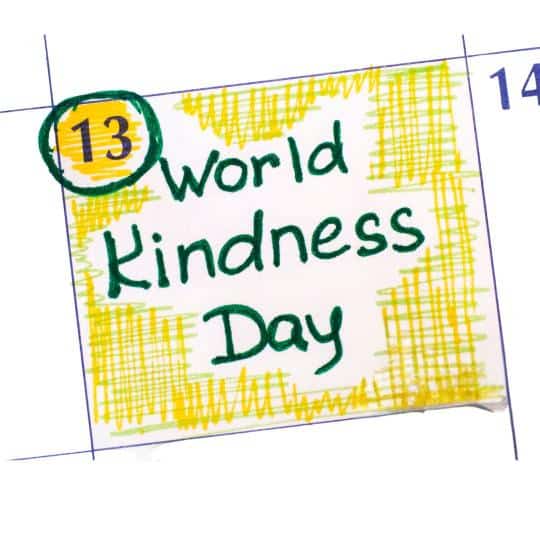
This Wednesday, 13th November is World Kindness Day and so I thought it would be a good idea to raise the issue of self-compassion.
In the quest for better health, we often focus on what we’re eating, how much we’re exercising, and if we’re getting enough sleep. But there’s an equally important piece to consider: how we treat ourselves emotionally, especially when things don’t go as planned. So, here’s a question to reflect on: how do you speak to yourself when you make a mistake or fall short of your goals? Do you offer yourself the same kindness you’d extend to a friend, or do you tend to be your own toughest critic?
If you’re like most people, there’s room for a little more self-compassion. Being kind to yourself isn’t just nice—it can make all the difference in reaching your health goals.

“With self-compassion, we give ourselves the same kindness and care we’d give to a good friend.” – Kristin Neff
What Is Self-Compassion?
At its core, self-compassion is about treating yourself with the warmth and care that you naturally extend to others. It’s a practice grounded in three elements: self-kindness, common humanity, and mindfulness. It’s not about boosting self-esteem or striving to be better than others; it’s about self-acceptance, patience, and self-care, exactly as you are. It’s a warm hug for yourself.
How Self-Compassion Supports Your Health
Research shows a powerful link between our emotional and physical health. High levels of stress, self-criticism, and negative self-talk can put barriers in the way of reaching our health goals. Self-compassion, however, can reduce stress, improve mental health, and create a strong foundation for positive health habits.
Turning Down the Volume on Your Inner Critic
We all have that little inner critic – the one who’s quick to point out our flaws or mistakes. To start turning this voice down, try noticing when you’re hard on yourself. Ask: “Would I speak to a friend this way?” Chances are, you wouldn’t. Being aware of this habit is the first step to changing it.
Learning the Art of Self-Kindness
Self-kindness is at the heart of self-compassion. Start by acknowledging your wins each day, however small. This practice can be similar to a gratitude practice, but with a twist: you’re recognising the good in yourself. Treat yourself with warmth, eat nourishing foods, and give yourself the same care you’d show a loved one. Get yourself a journal/notebook and put it by your bed. I can’t think of a nicer way to end the day than reminding yourself just how special you are.
Remember, You’re Not Alone: Embracing Common Humanity
Whatever you’re going through, you’re not alone. This idea of “common humanity” is a reminder that we all share in life’s ups and downs. Connecting with others who share similar goals or simply sharing your experiences with loved ones can be comforting. Others genuinely want to help and support you, so allow yourself to lean on them. But remember just because someone else is experiencing hardship in their life, doesn’t mean that your troubles are any less important to you.
Being Present in the Moment
Mindfulness is a wonderful tool for practising self-compassion. By focusing on the present moment, you’ll be less likely to dwell on what should have happened and more able to make intentional, healthy choices now. Try incorporating a few minutes of mindfulness into your day through meditation or deep breathing. Guided apps like Calm or Headspace can help you get started – the goal isn’t to perfect the practice but simply to make time for it, even if it’s just 5 minutes a day.
A Self-Compassion Starter Kit
Ready to bring self-compassion into your daily life? Here are a few simple ideas to get started:
- Set Realistic Goals: Build your goals gradually. Setting the bar too high can create a cycle of disappointment.
- Track Your Progress: Keep a journal to celebrate your wins and acknowledge setbacks without judgement.
- Create a Self-Compassion Diary: Jot down self-compassionate thoughts or moments each day. It’s a great reminder of how far you’ve come.
A Gentle Word on Setbacks
Setbacks are a natural part of any journey. Rather than seeing them as failures, try viewing them as opportunities to learn and grow. Self-compassion allows you to pick yourself up, learn, and move forward with resilience.
Self-compassion isn’t a luxury—it’s essential to good health. When you offer yourself the kindness and understanding you’d give to others, you create a positive space for both your physical and mental wellbeing to flourish. So why not start today? The journey to self-compassion could be the first step towards reaching your health goals.
Remember, these changes can be challenging but, as a registered nutritionist and health coach, I’m here to help you make the transition to a more self-compassionate you so that you can achieve live the life you want. Get in touch and book a free health review if you want to know more.
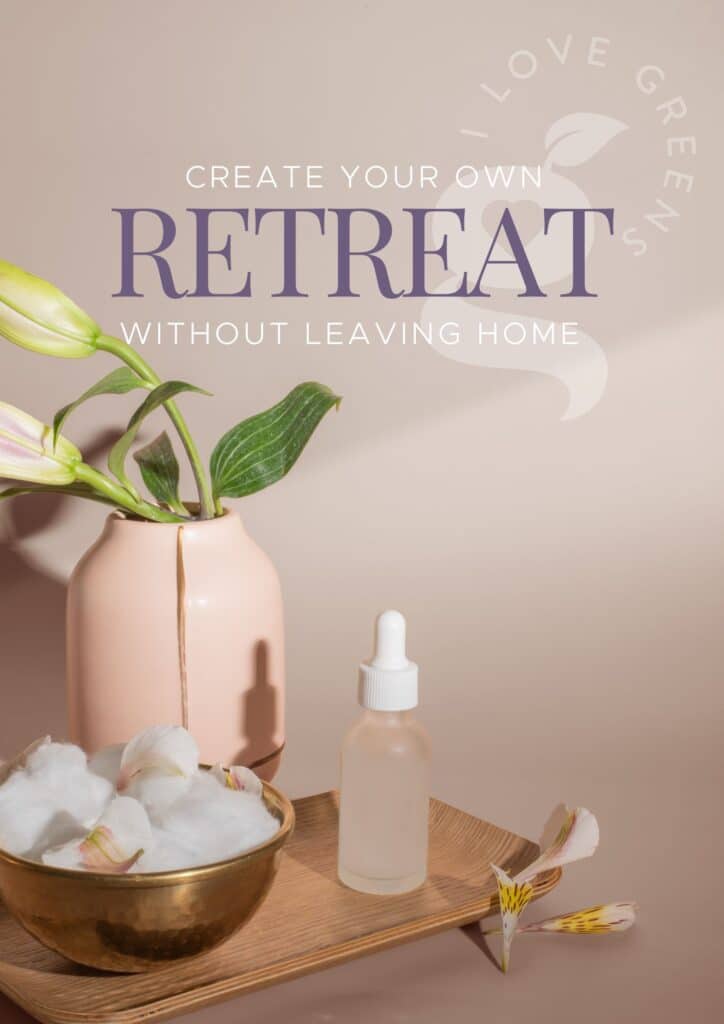
You can also get my FREE guide to creating your own home retreat HERE. There are 17 pages, packed with ideas to show yourself the love and compassion you so deserve.
Nicola x